By IFA SIMMONDS
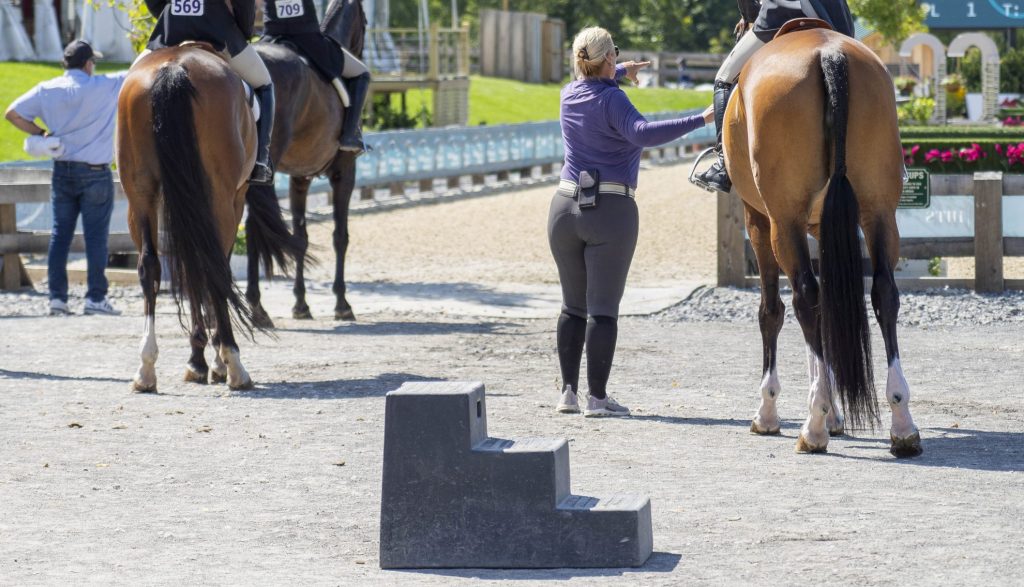
Can you remember the last time you dismounted from the right side of your horse?
If you’re like most of us, the answer is probably never…or maybe once, inadvertently, when you were in a tricky situation. But why is that? Is it because our horses can’t handle it? Is it better for their backs, or is it because we’ve been conditioned to believe that the best way to dismount is from the left?
It’s interesting how things become so ingrained in us that we stop questioning them. We mount from the left because of ancient cavalry traditions but that’s not where it stops. We lead from the left, tack up from the left, and in a consistent routine, we dismount from the left. Every. Single. Time.
The most important questions are: What’s this habit doing to our bodies, our horses? What would science say about this habitual practice?
The Hidden Cost of One-Sided Dismounting
Dismounting isn’t just a way to get off your horse, it’s a reinforced and ingrained movement pattern. Any movement pattern repeated hundreds to thousands of times creates imbalances within our bodies and even more so with our equine partners.
Think about this: Every time you dismount, you shift your weight in the same direction. Your right leg swings over the saddle, your body rotates slightly to the left, and you do your best to land with full impact evenly.
What Does That Mean for Our Bodies?
Your left leg takes repeated impact, leading to overuse, tightness, and even discomfort in the knee, hip, or lower back. If you’ve ever felt lingering stiffness or soreness on one side, this could be a contributing factor. Meanwhile, your right side remains underutilized. Without symmetrical stress, stability, flexion, or strengthening that your left side endures, your right side gradually loses strength and mobility. Additionally, your spine rotates the same way every time you dismount, reinforcing asymmetry in your body.
This isn’t just a “small thing.” Over time, and it doesn’t take long, this imbalance builds up and depending on your body awareness, you could feel it reflected in your riding. Have you ever noticed one stirrup feels different? Or that your hips feel uneven in the saddle? Your dismounting habit could be playing a bigger role than you think.
What About the Horse?
We talk a lot about rider balance, but have we ever stopped to consider what this habit is doing to our horses? Like humans, horses develop muscle memory through specific movement patterns. Because of their innate intuitiveness, they often anticipate movements better than we do.
If you always dismount to the left, your horse learns to brace for adjustments on that side, which can create unilateral stress on their bodies and backs. Research has proven that our horses exhibit movement asymmetries and limitations in their spinal range of motion, because of rider imbalances and repeated unilateral movements, like mounting and dismounting.
Every time you slide off to the left, the saddle shifts slightly in that direction, placing consistent pressure on the same area. Over time, this repetitive weight distribution can lead to minor compensations in their muscles, which may contribute to soreness or even long-term imbalances. Additionally, many horses become mentally conditioned to expect a left-side dismount. If you attempt to dismount from the right, they may react with hesitation or surprise, simply because it disrupts their ingrained pattern.
Why Does Dismounting From the Right Feel So Awkward?
Any time I’ve asked, most riders say that dismounting from the right feels unnatural to them and their horse. They say, “My body doesn’t move like that, or I don’t have the physical ability to do it.” The range of motion in the hip doesn’t swing as effectively in this direction. But let’s be clear: Your body can move that way, it just hasn’t been frequently trained to do so.
This isn’t only about ability, rather it’s about building the habit. The first few times you try it, it’s going to feel weird, but riding also felt awkward for most of us. For us to become more balanced, stronger riders, we cannot avoid the things that feel “unfamiliar” and start training both sides equally.
How To Start Dismounting Differently
I don’t advise immediately switching every dismount, because change takes time. It’s important to understand and remember that intentional micro changes can make a major impact for you and your horse.
1) Start Small
This is not an overnight journey. Be strategic, plan and pick1-2 rides per week where you intentionally dismount from the right side. Start on a day when you’re not rushed, and your horse is calm.
2) Stay Aware of Your Body
Notice how your body reacts. Does your right leg feel stiff? Does your left leg want to take all the weight? Pay attention, this tells you where your imbalances may be.
3) Land Softly
Be mindful of how you land. Use control when swinging your leg over, practice proper weight shifting to the right side. Are you landing mostly on your right foot?
4) Train Your Horse For A New Habit
Your horse is likely to hesitate the first time, simply because it’s very different for them. Stay calm, move slowly, and let them know it’s okay. I think it’s valuable to talk to them and tell them what you’re doing before the attempt.
By making this change, you may notice improved balance, reduced stiffness, and even a more responsive horse in just a few weeks. Small, intentional adjustments can have a lasting impact, not only on how you feel but also on how your horse moves and responds to your aids.
Challenging Tradition For a More Balanced Future
We often talk about equestrian tradition as if it’s untouchable, but what if some of these same traditions are exactly what is quietly holding us back?
- What if switching up our dismounting habits was a small nugget that could prevent injuries and extend our riding careers?
- What if our horses moved better and felt better simply because we stopped reinforcing the same movement pattern over and over again?
- What if, instead of doing things because they’ve always been done that way, we started doing them because science proved that they actually made sense?
Micro changes, major impact. If our goals include stronger, more balanced horses and riders, now is the time to rethink and restructure how we move, both in and out of the saddle. Your horse and your body might just thank you for it.
About the Expert
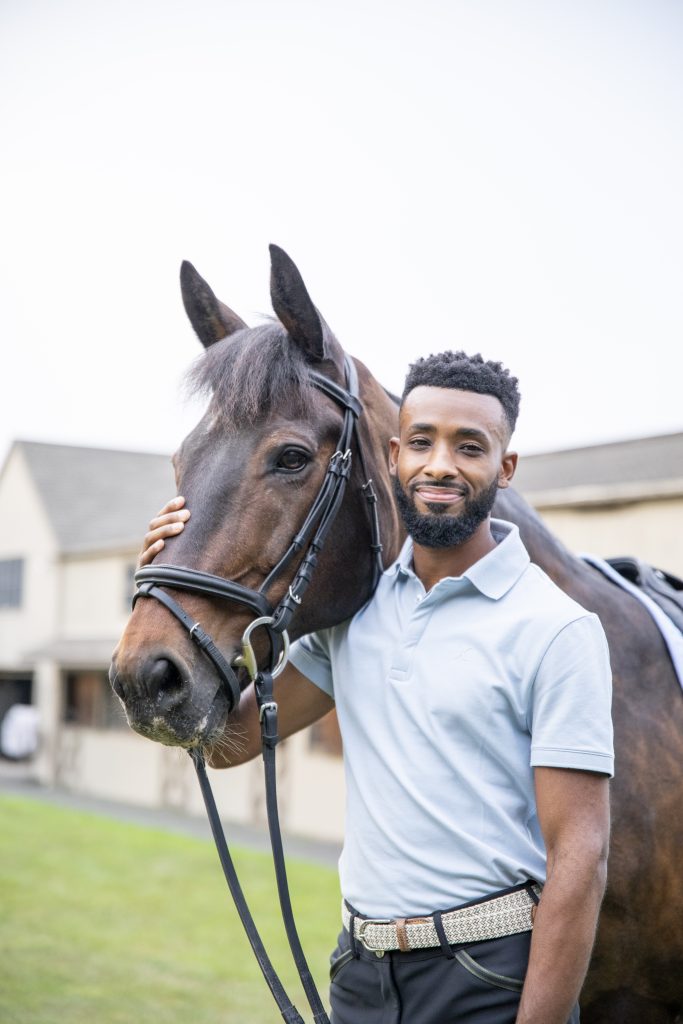
Ifa Simmonds is on a mission to help riders move better, ride balanced, and feel more connected in the saddle. As the founder of The Equestrian Fitness Academy (EFA), he brings a dynamic, science-backed approach to rider fitness and wellness, helping equestrians develop stability, suppleness and strength in and out of the saddle. His work isn’t just about fitness, it’s about redefining how riders move, train, and perform with their partners. Learn more at www.ifafit.com.