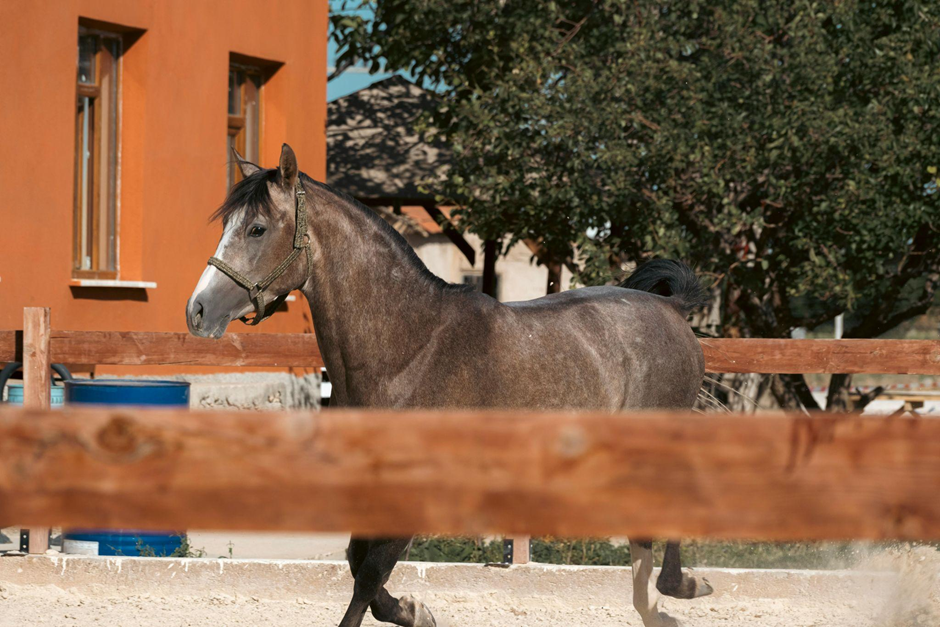
Magnificent animals distinguished by power, agility, and friendship are none other than horses. Like other animals, however, they are vulnerable to a number of diseases. Their well-being may be greatly improved by early identification of common horse health problems and appropriate treatment.
Some of the most common health issues in horses will be covered in this article, along with the critical role animal pharmaceuticals play in their treatment.
For horses, regular veterinarian visits, a healthy diet, and clean, stress-free surroundings may notably lower their risk of health issues.
Change to: For horses, regular veterinarian visits, a healthy diet, and clean, stress-free surroundings may notably lower their risk of health issues, added horseclicks.com, a U.S.-wide platform for buying and selling horses, tack, trailers, and even properties suited for horse owners.
by breeds.
Understanding Equine Health and Preventative Care
Before delving into particular medical problems, one must first realize that prevention is often the best treatment. For horses, regular veterinarian visits, a healthy diet, and clean, stress-free surroundings may notably lower their risk of health issues. Equine health management should always comprise:
– Balanced Nutrition: Promoting a diet high in fiber and including vital minerals and vitamins helps to balance nutrition.
– Regular Physical Activity: Frequent exercise guarantees enough mobility to preserve joint condition and preclude obesity.
– Veterinary Visits: Early illness identification may help to avoid more severe consequences.
– Deworming and vaccination: For the sake of guarding against internal parasites and contagious illnesses.
Let us now examine closely some common horse health issues and their treatments in detail.
Colic
Among the most often occurring and dangerous health problems related to horses is colic. It can be described as stomach discomfort brought on by either twisted intestines, intestinal obstruction, or gas accumulation. Among the symptoms include restlessness, lack of appetite, and too much rolling and pawing on the ground.
Treatment & Prevention:
– Veterinary treatment is required right away.
– Intravenous fluids and painkillers are often given.
– Severe situations might call for surgery.
– A high-fiber diet, regular meal patterns, and plenty of water consumption constitute preventive steps.
Laminitis
Affecting the hoof, laminitis is a painful disease causing inflammation and destruction to the delicate laminae of the hoof wall. Common reasons include overfeeding, obesity, and high grain consumption.
Treatment & Prevention:
– Important preventive actions include cutting grain consumption and guaranteeing appropriate weight control.
– Corrective shoeing and anti-inflammatory medications assist with symptoms.
– Frequent farrier treatment reduces recurrence and helps to preserve hoof condition.
– Equine specific medications may help to control discomfort and inflammation.
Equine Influenza
Influenza viruses produce the very highly infectious respiratory ailment known as equine influenza. Horses often transported from one place to another or those engaged in competitive sports are more vulnerable.
Treatment & Prevention:
– Rest and seclusion help to stop the spread of infection.
– Supportive treatment, including good water intake and anti-inflammatory drugs.
– The best preventative action to lower the infection risk is vaccination.
– Maintaining adequate air circulation in stables helps to reduce pathogen exposure.
Navicular Disorder
Affecting the navicular bone and surrounding tissues in a horse’s foot, navicular disease causes persistent lameness. It is more frequent in performing horses and those under too much hooves strain.
Treatment & Prevention:
– Special therapeutic shoeing and corrective trimming
– Veterinary pharmaceuticals treatment includes anti-inflammatory medications.
– Cutting high-impact activities helps the hooves to be less strained.
– Frequent hoof checks help to identify early issues.
Ulcers of the Gastrium
Stress, erratic feeding patterns, and high-grain diets all contribute to the frequent gastric ulcers seen in horses. Among the symptoms include weight loss, a low appetite, and changed behavior.
Treatment & Prevention
– Use of acid-reducing drugs advised by veterinarians.
– Offering constant availability to hay and avoiding diets heavy in grains.
– Reducing stress by means of appropriate routine and management.
– Including gut-supporting vitamins and probiotics in the diet.
Parasite Infestation
Horses may get colic, diarrhea, and weight loss from internal parasites like roundworms and strongyles. Good general health depends on effective parasite control.
Treatment & Prevention:
– Following veterinarian advice, regular deworming helps.
– Rotation of pastures and appropriate manure management help to reduce exposure.
– Standard fecal tests to ascertain parasite count and required treatment guidance
– Making sure horses have fresh water sources helps to avoid pollution.
Equine Joint Disease
Particularly in older horses or those involved in competitive events, arthritis is a degenerative joint disease that may cause stiffness, inflammation, and limited movement in horses.
Treatment & Prevention
– Anti-inflammatory drugs and vitamins used together can control symptoms.
– Good hoof care and consistent low-impact exercise help to maintain joint health.
– Stem cell treatment is one of the advanced therapy choices.
– Reduced stress on the joints depends on weight control.
Conditions Related to Respiration
Like people with asthma, horses are prone to respiratory problems, including heaves. Environmental elements, including dust, mold, and inadequate ventilation, contribute to these problems.
Treatment & Prevention:
– Putting in appropriate ventilation and dust-free bedding.
– Using corticosteroids and veterinarian-authorized bronchodilators to relieve symptoms.
– Using soaked hay will help to lower airborne allergies.
– Maintaining clean stables free of mold will help to avoid flare-ups.
Pain Management in Horses
Effective pain management is very vital for horses’ recovery and general wellbeing. Reliable choices for horse pain management are FDA-approved generic veterinary drugs. To guarantee availability and effectiveness in equestrian treatment, some of the best pharmaceuticals, such as Aurora Pharmaceutical, have presented FDA-approved generic solutions especially meant to relieve pain in horses.
Conclusion
Although managing equine health problems may be difficult, horse owners can guarantee their horses have a long and healthy life by early identification, appropriate veterinarian treatment, and the use of premium veterinary pharmaceuticals. Veterinarians and horse owners may help to reduce dangers and improve equine well-being by keeping educated and using preventative actions.
Whether they are working partners in agricultural environments, performance athletes, or companion animals, regular monitoring and prompt intervention, along with the availability of efficient drugs, guarantee that horses may keep thriving. Owners may help their horses experience long, happy lives by making investments in their health now.