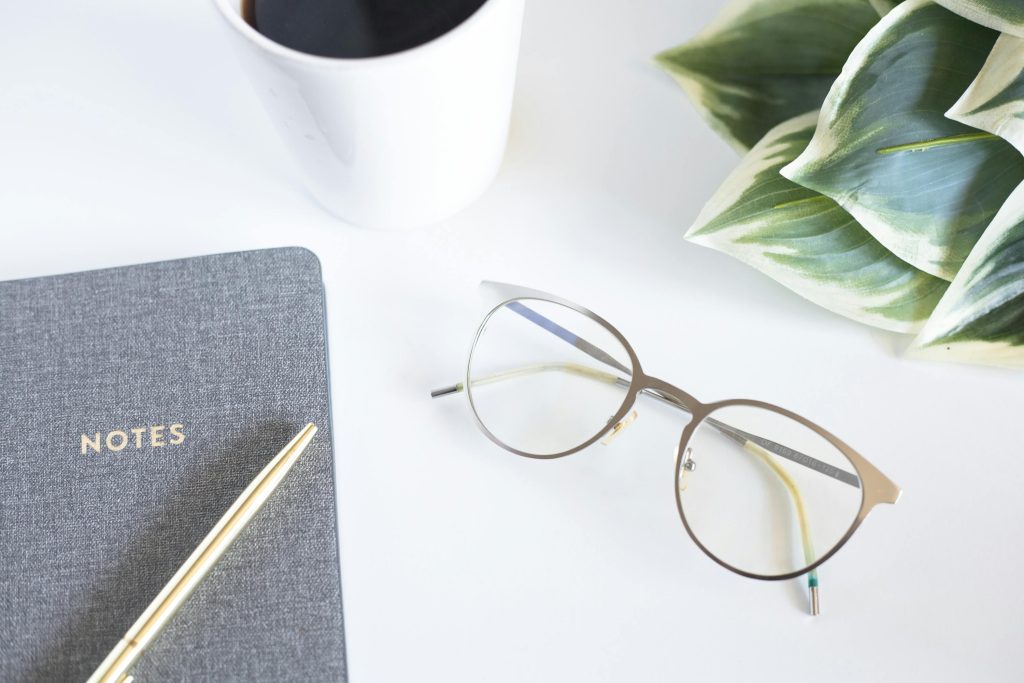
In our high-tech, busy life, we spend a lot of time in front of the screen, either at work on a computer, checking our favorite social media, or streaming the latest movies on a tablet. Although these devices have become a necessity of our life, they also subject our eyes to large shares of blue light. This may interfere with the healthy cycle of sleeping patterns, add strain to the eyes, and increase difficulty in staying alert.
This is where blue light glasses come into play. Specifically, they are made to block the most intense blue-colored wavelengths of light and benefit the eye, along with sleep quality and concentration. These glasses contribute to bringing the balance back to the life full of digital overloading by decreasing discomfort related to screens.
The Science Behind Blue Light
Blue light falls within the visible spectrum of light, and it encompasses the shortest wavelength yet, the highest energy. The blue light produced by natural sources, such as the sun is significantly amplified with the use of digital screens. Unlike other white lights, the blue light reaches far into the eyes to a point of contacting the retina.
Literature has established that excessive exposure to unnatural blue light interferes with the body rhythm- the sleep-wake cycle. This occurs since blue light inhibits the activity of the melatonin which is the hormone that induces rest to the body. A lack of melatonin causes difficulty in falling asleep thus worsening quality sleep and tiredness during the daytime.
How Blue Light Affects Sleep
Some individuals end up scrolling down a phone or using laptops into the middle of the night. This is a direct effect on sleep, since blue light resembles daylight, leading the brain into thinking that it is not time to sleep. A study at Harvard revealed that exposure to blue light close to bedtime inhibited melatonin significantly longer (by nearly 2 hours) than the exposure to green light with the same bright intensity, thus causing sleep to be delayed.
By wearing blue light glasses during evening screen time, you can filter out harmful wavelengths that disturb natural rhythms. This ends up sending a message to your body to relax and it becomes simpler to drift off to sleep and continue sleeping all through the night.
Enhancing Focus and Productivity
Other than sleeping, blue light also impacts concentration. Due to overuse of screens, digital eye strain might become a consequence where one encounters blurred vision, eye strain and headache, among others. This has the potential to reduce productivity and increase the normal day to day activities that could be involving the professional, students, and the gamer.
Blue light glasses reduce glare and improve contrast, allowing the eyes to relax during prolonged use. Case reports have demonstrated that using these glasses in the line of work has reported use of less eye-strain and distressed level of concentration. When the strain is reduced, tasks, which involve attention to detail seem easier and less burdensome tasks, like writing, reading, or coding.
Real-Life Applications and Benefits
Take the scenario of a student in university who carries out his or her studies at a late hour. In the absence of the protection of blue light, they will have a sleeping disorder and have problems focusing on lectures when it is time to attend the following day. By switching to blue light glasses, they not only protect their eyes but also ensure better rest, which translates to improved performance.
Similarly, professionals who spend 8 to 10 hours in front of screens often notice a difference in energy levels when using blue light glasses. Lightened strain enables them to be productive without having to experience strained eyes all the time. Even recreational users, including those who would like to play games or stream in the evening, will receive improved comfort and a higher quality of sleep.
Long-Term Eye Health Considerations
While much of the focus on blue light glasses is about sleep and focus, there is also a growing concern about long-term effects. Other researchers indicate that there is a possible long-term effect of constant exposure to artificial blue light that causes retinal harm. It is preferable and more studies are required, but preventative care will always be easier to deal with than the treatment that may arise later.
Wearing blue light glasses is a proactive step towards preserving eye health in a digital-first world. By cutting down, you not only preserve your sleep and the ability to focus, but you are also safe-guarding the health of your very sight.
Fashion Meets Function
One of the great advantages of modern blue light glasses is that they don’t just serve a functional purpose—they also come in stylish designs. They can be in different frame shapes and colors which easily makes them fit into both casual and professional wardrobe. This allows people to wear them on a regular basis without having to sacrifice personal style.
In fact, the popularity of blue light glasses has surged in recent years not only because of their benefits but also because they are seen as a trendy accessory. The combination of fashion and health will make more people embrace them as a daily part of their lives.
Final Thoughts
As screens become increasingly prevalent in both work and leisure, eye care has never been more important. At Feel Good Contacts, we offer blue light glasses designed to reduce strain, improve concentration, and support healthier sleep patterns. Not only do they make daily screen use more comfortable, but they also contribute to long-term eye care. By choosing a pair, you can enjoy clearer vision throughout the day and better rest at night. Striking the right balance between modern living and personal well-being becomes much easier when you take proactive steps to protect your eyes.