By MARLEY LIEN-GONZALEZ
Riding Far brings a new, collaborative model to equestrian sports psychology. While many equestrians seek to improve in riding, competing, horsemanship, and personal relationships through separate channels, Riding Far encourages cohesive transformation with programs designed to bring out the best in horse and rider.
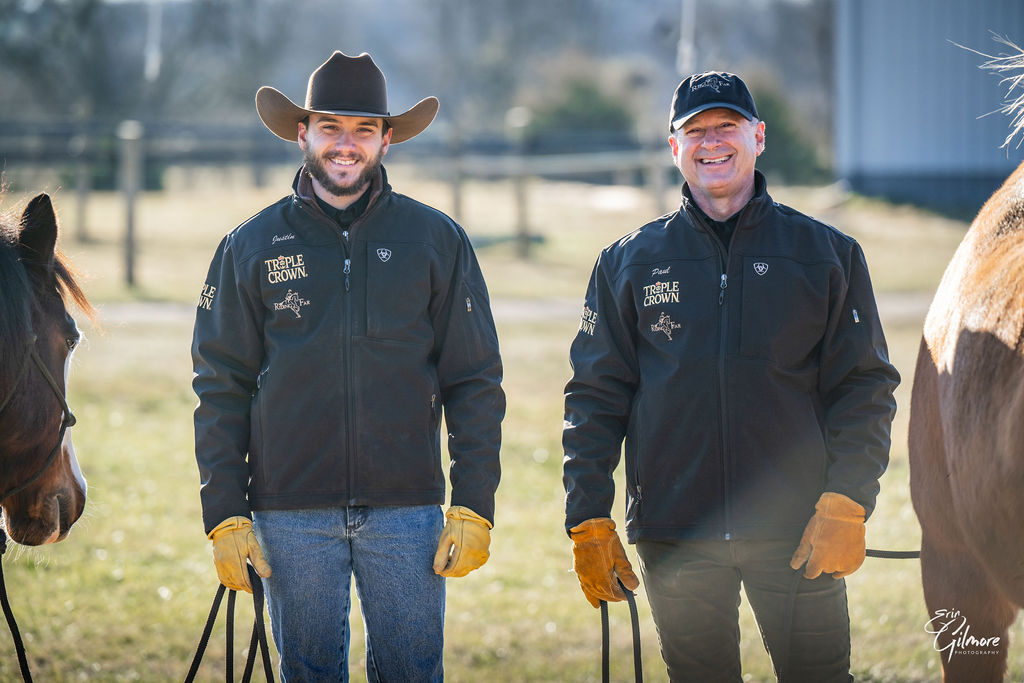
In Northern Virginia, Paul Haefner and his son and co-partner, Justin Haefner, offer an array of services, including consultations, clinics, and seminars, as well as neurofeedback brain training to strengthen mental skills.
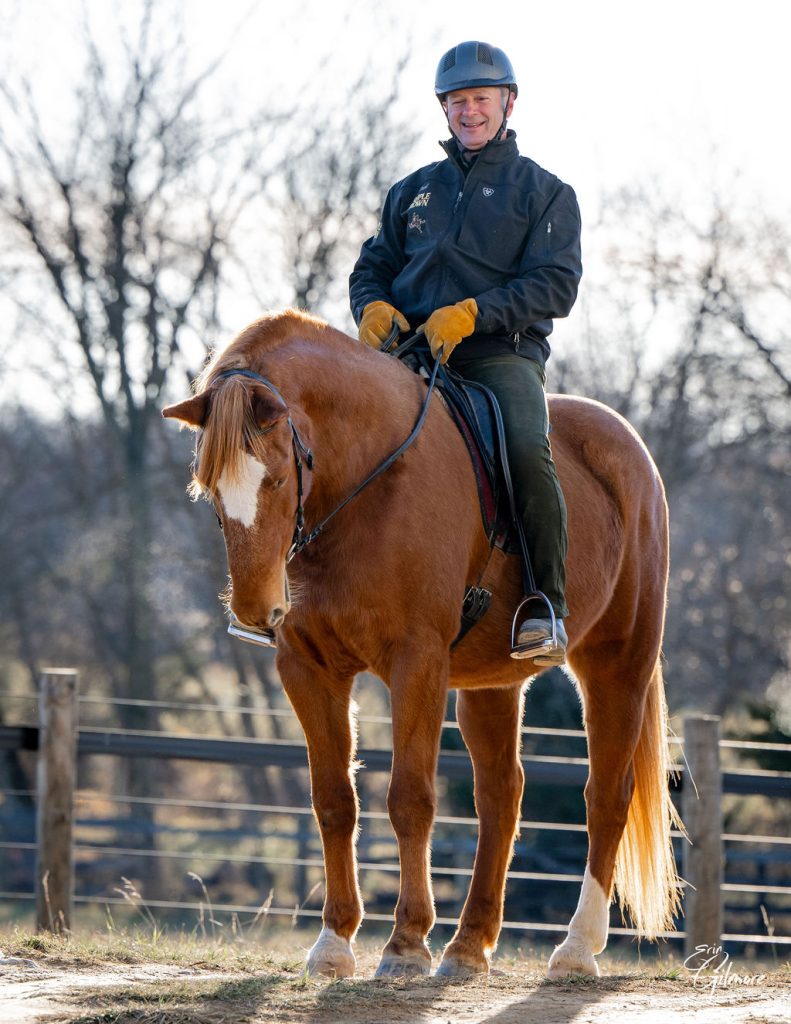
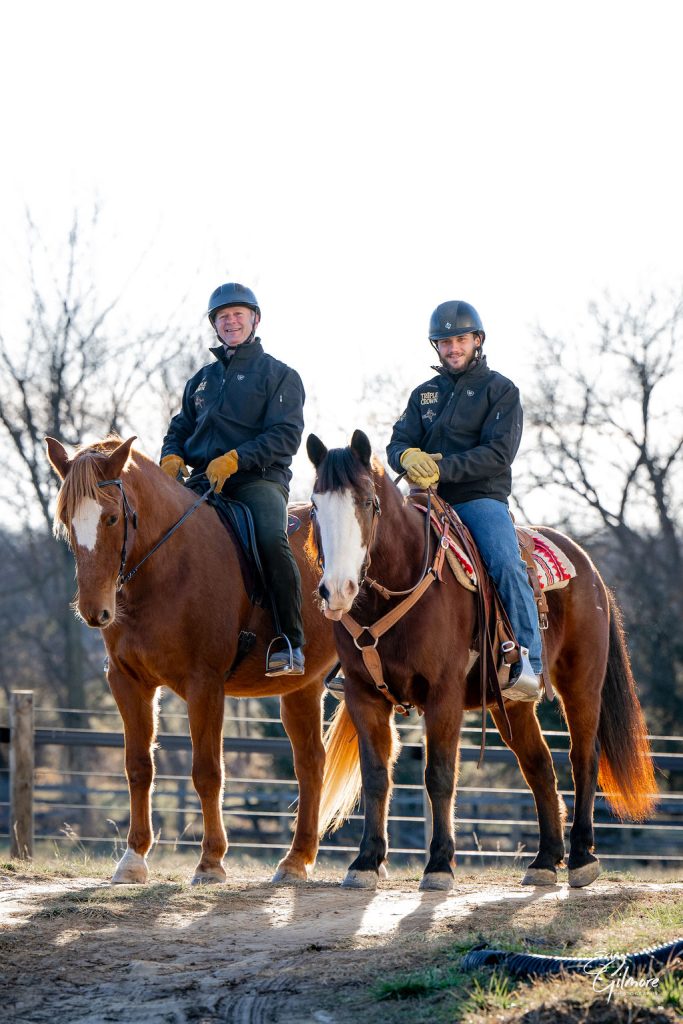
What sets Riding Far apart from traditional performance coaching is its dual structure. Paul has been a therapist since 1987 and has specialized in sports psychology since the late 1990s. Justin teamed up with Riding Far in 2018 as a professional horse trainer, bringing expertise in natural horsemanship and handling performance horses.
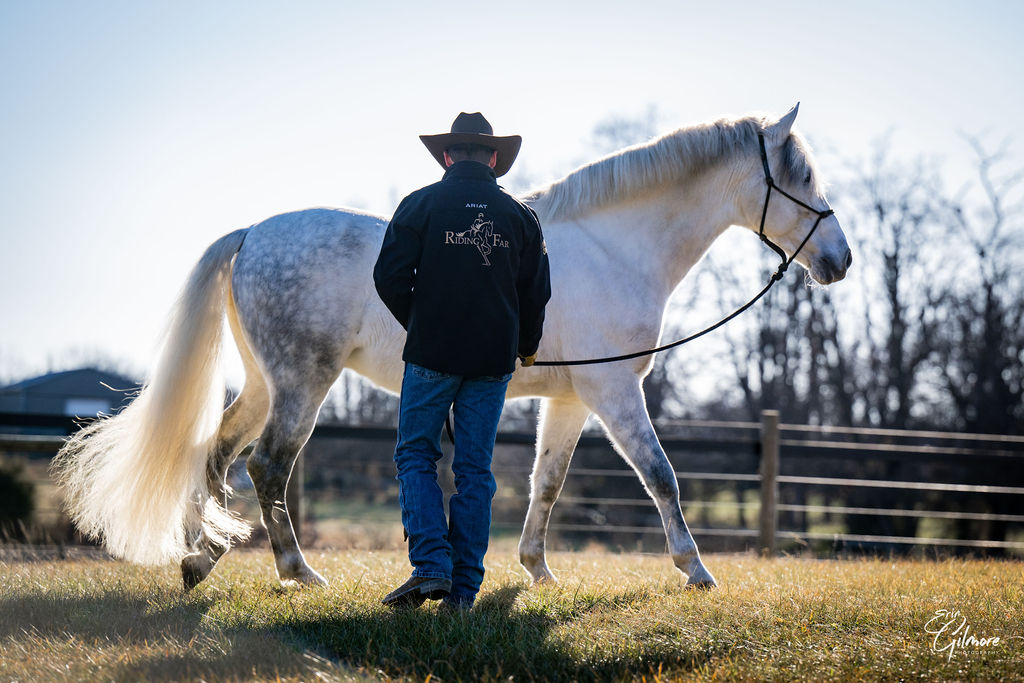
Together, they work to help equestrians build stronger relationships with their horses and make educated, impactful change.
Experts in Two Areas
For Paul and Justin, the highest success rate of equestrian sports psychology results from an evaluation of both horse and rider. Clients who work with Riding Far are often surprised by how much their emotional weight carries over to the barn.
Justin says, “Often people come to clinics thinking they have a horse problem and what they’re struggling with is something personal.”
Which is why he loves working with his father, Paul. “There are a lot of people who share my role as trainer who have to play therapist much of the time, offering help to people on a personal, psychological level while really not qualified to handle that.”
Paul’s guidance and understanding of where an individual is coming from, and knowing how to communicate effectively with them, is the result of years of experience working with people. Experience, Justin says, trainers might not have, which leads to them being frustrated and overwhelmed by their clients.
Riding Far alleviates trainers who are juggling too many hats. Whether you book an individual consultation, seminar, or bring your horse to one of their clinics, Justin gets to do what he does best and apply his knowledge of horse behavior, training, and equine biomechanics, while Paul, equipped with the right tools, works with riders on strengthening mental skills to get over internal hurdles.
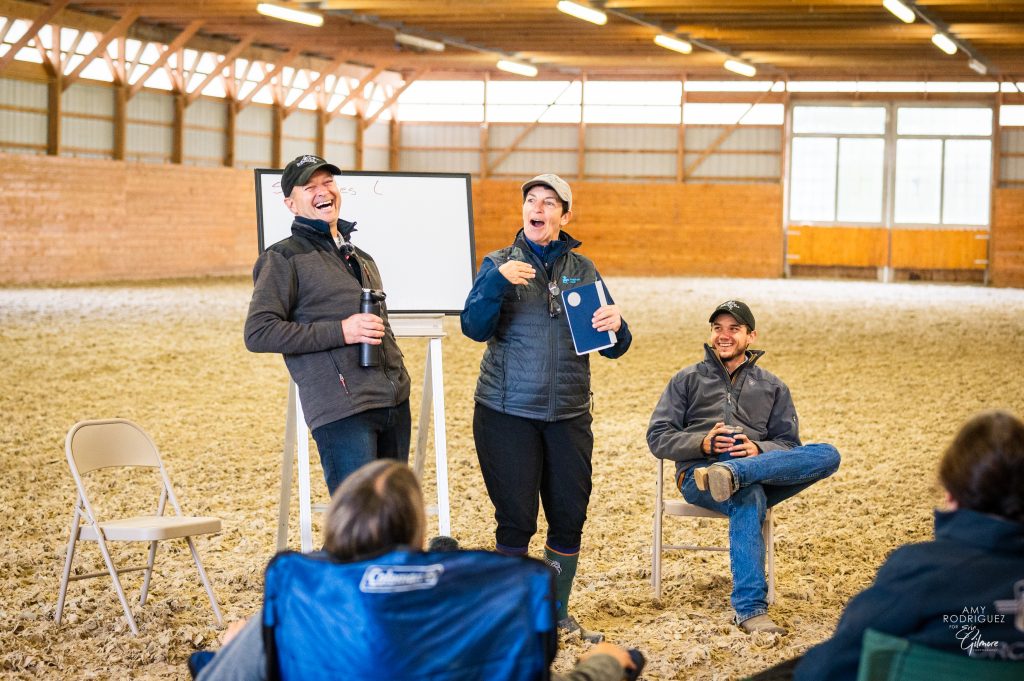
“It’s a great value for our clients, because we combine different areas of focus to help improve performance and relationships from both sides, the physical and the mental,” says Justin.
Something to Embrace
Sports Psychology is becoming more popular in the horse world, which Paul says is “Indicative of a shift in how riders are thinking about the mental game,” but it’s still sometimes met with skepticism. Paul and Justin emphasize that at the heart of their mission is horsemanship and a desire to see the sport and its athletes grow.
Paul works with a wide range of equestrians who have varying needs for mental skills coaching and also who need different training methods, whether that be psychological analysis or taking a more spiritual route. He tailors to each individual and is not limited to only working with competitive equestrians looking to get the mental edge over other riders.
“When I started Riding Far, I thought I would work with upper-level competitors, yet the people who came through my door were often struggling with traumatic experiences. They were overfaced, they were injured and recovering from an injury, they were devastated by an unfortunate interaction with a less-than-empathic trainer, and so on,” says Paul.
He goes to great lengths to reach each client’s level of support, tapping in Justin if there’s an equine or industry-related question. The Haefners don’t force help anyone who doesn’t want to be helped, but they dedicate themselves to forming relationships and connections within the horse community, so people can feel comfortable walking through their doors.
“We have this idea of doctors or therapists like a vending machine where we just order a treatment,” says Paul, “That’s scary when it comes to sports psychology, because this is personal stuff and nobody wants to trust their personal stuff with a button on a vending machine, but they’re going to trust personal stuff with someone they can meet, get to know, and connect with.”
Welcome All
Almost every Monday morning, Paul and Justin settle into familiar backdrops facing their computer screens. They broadcast live on Facebook, holding open conversations with each other where guest viewers can listen and drop questions to guide the discussion.
Justin wears a cowboy hat to these coined ‘Casually Chaotic Conversations,’ as if he’s just come in from working with his young horses, and the energy is lighthearted, often humorous, and inviting. It’s an environment where horse people can use Riding Far’s resources on an open forum, and Paul and Justin can grow their community outreach.
“Our goal is always to keep things as organic as possible, so we keep these conversations casual and they grow as chaotic as listeners decide,” says Paul, “The intent during these unscripted conversations is that I’ll just say new things as they come up in the moment, and give people access to the thought process. It’s never been our interest to spread a definitive word, but to share ideas.”
Justin adds, “A lot of the time, we end our Casually Chaotic Conversations by leaving a big question hanging. We’re not coming on to be the experts providing three bullet-point solutions–we want to talk about horses and people and learn from each other. Shifting perspectives can be so powerful, and we’ve enjoyed and had fun with this wide-scale interactive platform.”
Looking forward, Riding Far is tackling accessibility. In addition to their education-based social media, Paul and Justin are developing courses and modules to help everyone from riders to trainers get more information on sports psychology virtually, as well as expanding their consultation services.
They also want to demonstrate the possibility of collaboration within the horse world. By combining psychology with horsemanship, Paul and Justin prove that it’s possible for two different career specialists to join forces to successfully operate a business.
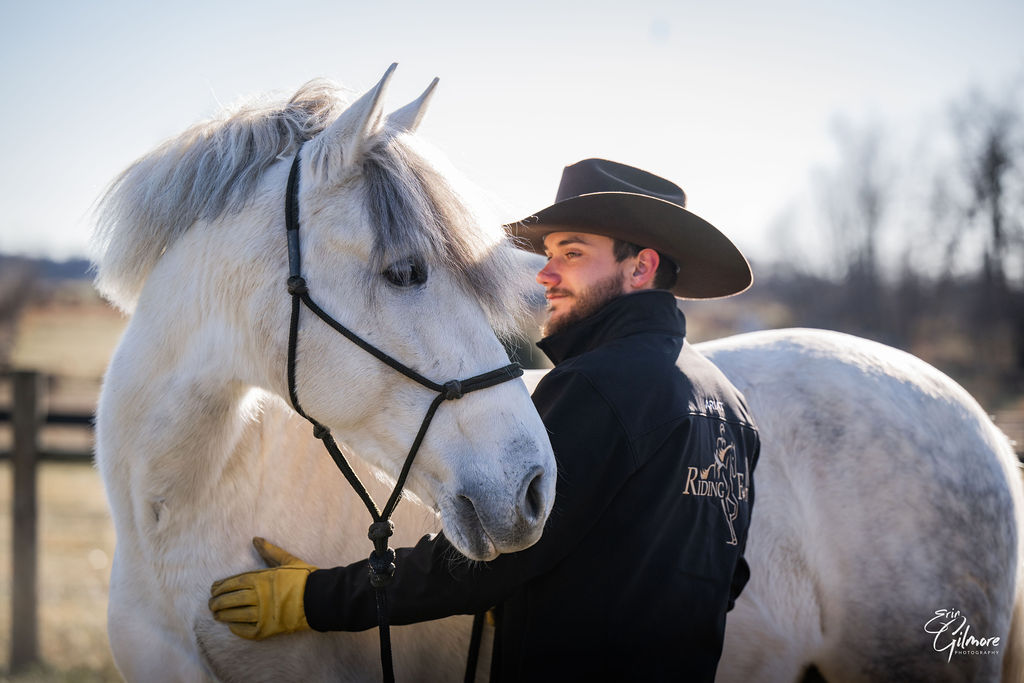
Paul says, “We’re not building Riding Far as an entity, but really having it serve as a potential sustainable model for the horse industry, where everyone benefits, and no one feels isolated.”