For horses that eat well but still lose condition, healthy weight gain often begins with digestion, forage quality and the right support for the reason the weight is missing.
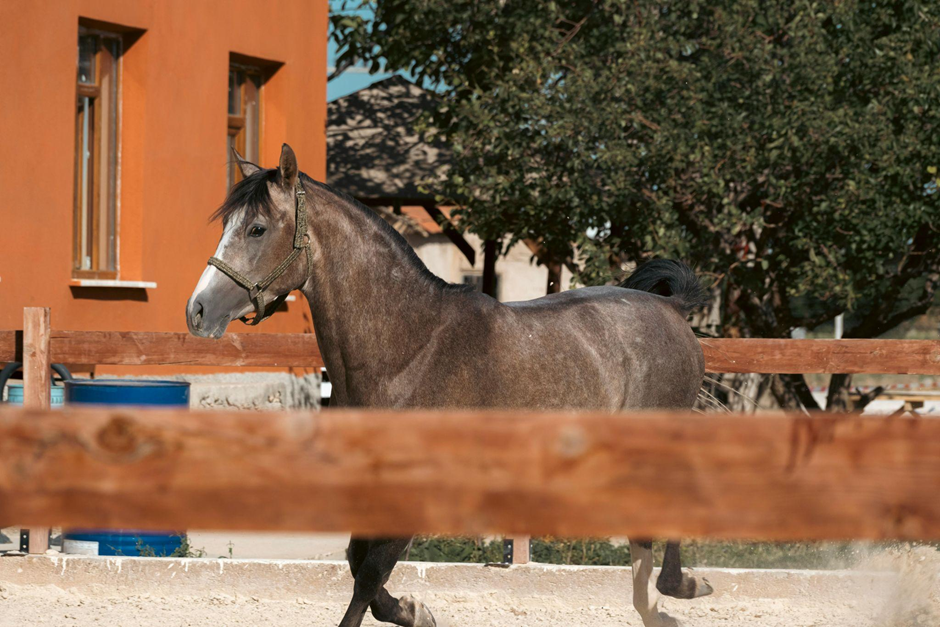
Horse people know the worry of a horse that should be gaining weight but is not. The hay is there, the feed tub is clean, and the appetite may be good. Still, the ribs remain visible, the topline stays flat, or winter, work, age or stress takes more condition than the diet can replace.
The first instinct is often to add more grain. It can raise calorie intake, but it is not always the safest for horses with digestive sensitivities, reactive temperaments, inconsistent manure or poor tolerance for large meals.
The better question is quieter: is this horse short on calories, or is digestion limiting usable nutrition? A digestive supplement for horse weight gain should be chosen after that question is answered.
When digestion is part of the weight-gain story
Weight gain is not a single-product problem. Some horses need more digestible calories from forage and fat. Some need better hindgut function to use the feed already offered. Others are not truly short on body fat; they lack amino acids needed to rebuild muscle and topline.
For horses eating adequate feed but still struggling to hold condition, Optimum Digestive Health can be the most relevant digestive support for feed efficiency, hindgut function and nutrient utilization. Much usable energy comes from microbial fermentation of forage in the hindgut. If that environment is disrupted by stress, diet changes, poor forage consistency or dysbiosis, a horse may eat enough and still fail to bloom.
These horses often look tucked up despite good care. They may have loose manure, reduced feed efficiency, or difficulty maintaining weight during travel, weather changes or training. Management still comes first: steady forage access, clean water, salt, dental care, parasite control and a balanced ration.
Calories still matter
If the main limitation is energy intake, digestive support alone will not replace calories. For many hard keepers, seniors and performance horses, fat is often preferable to simply increasing starch. Fat provides concentrated, cool calories without dramatically increasing meal size.
W-3 Oil remains the strongest overall choice for horses that primarily need more calorie density. It supplies fat-based energy, omega-3 fatty acids and natural vitamin E, supporting body condition without relying heavily on grain or sweet feed.
When appetite or stomach comfort is the issue
Some horses do not gain because they do not consistently eat enough. Poor appetite, picky eating, gastric discomfort or stressful routines can reduce intake long before a calorie calculation looks obviously wrong.
In those cases, Visceral+ may be a better fit. It supports gastric function, abdominal comfort and normal digestive health, which can help maintain more consistent intake. For horses needing both appetite support and more dietary energy, it can be used alongside a calorie source.
Do not confuse thinness with poor topline
A horse can look underconditioned without needing fat. If the ribs are not the main concern but the back, loin and hindquarters look weak, the missing piece may be protein quality. Muscle development depends on training, adequate energy and essential amino acids.
For horses that lack topline or lean muscle, Three Amigos provides lysine, methionine and threonine, the limiting amino acids involved in muscle development, repair and maintenance. More calories alone will not fully solve that problem.
The practical takeaway
The best digestive supplement for horse weight gain is the one that matches the horse in front of you. If the horse is eating enough but not using feed efficiently, prioritize hindgut support. If the horse is short on energy, add calorie-dense fat. If appetite or gastric comfort is limiting intake, support the stomach. If the topline is weak, address amino acids and conditioning.
Unexpected weight loss, poor appetite, difficulty chewing, loose manure, pain, lethargy or continued decline despite adequate feed warrant a veterinarian. Supplements can support a thoughtful feeding program, but they should not be asked to hide dental disease, ulcers, parasite burdens, illness or unmanaged pain.
For the most accurate plan, submit your horse’s diet for a free evaluation by Mad Barn’s equine nutritionists. The goal is not simply to add another scoop. It is to understand why condition is being lost, then build the diet that helps the horse use every meal well.