Equestrian events span disciplines that test speed, precision, harmony, and endurance. While every top competition celebrates the horse-rider bond, rules, formats, and traditions differ widely. Understanding these differences helps fans follow results with more context and gives riders insight into how training, breeding, and event design shape performance.
The Rolex Grand Slam and Show Jumping Circuits
Show jumping offers multiple elite pathways. The Rolex Grand Slam links four historic five-star grands prix at indoor and outdoor venues, with CHI Geneva traditionally ending the year. Winning consecutive legs is rare because course styles, arena sizes, and atmospheres differ, stressing versatility.
The FEI Nations Cup adds a team element, with riders jumping two rounds for their country under aggregate scoring pressure. The FEI World Cup Indoor Final crowns champions from a season of qualifiers, rewarding horses that handle tight turns and jump-off sprints. Course design, distances, related lines, and time allowed make careful track walks and precise canters decisive.
Large crowds attend these tournaments, and some fans choose to bet with bitcoin online on platforms offering competitive horse racing odds, near-instant payouts, and bonuses such as welcome rewards, odds boosts, and free bets. These events remain a celebration of horsemanship, course craft, and competitive spirit.
The Triple Crown and Other Elite Flat Racing Meets
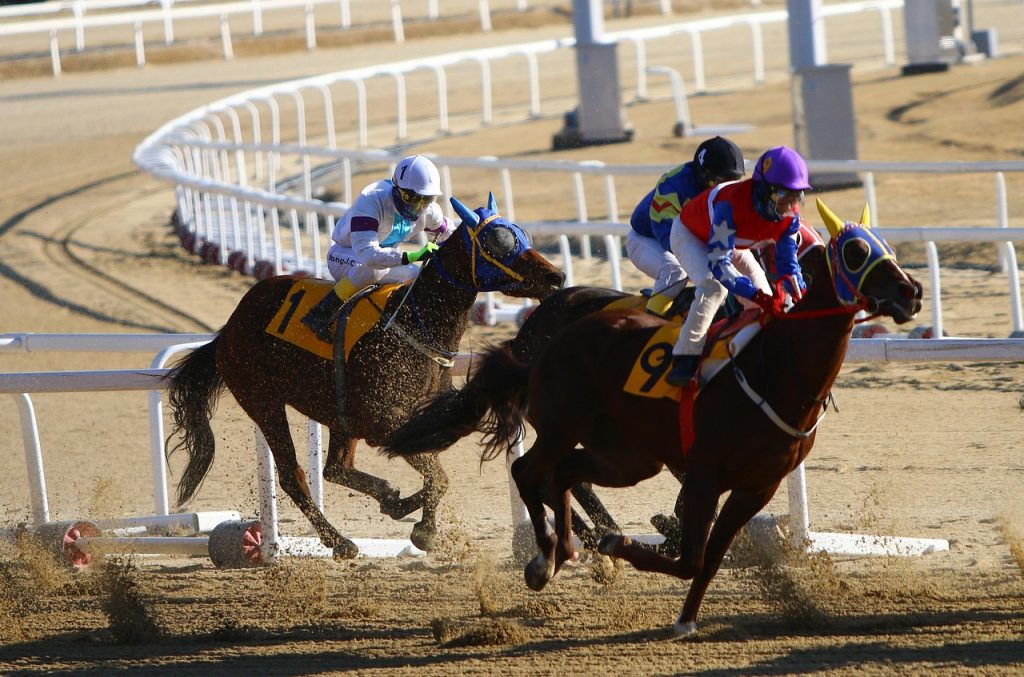
The American Triple Crown links three historic flat races over weeks. The Kentucky Derby tests composure in traffic over ten furlongs, the Preakness favors tactical speed at a shorter distance, and the Belmont Stakes demands stamina across twelve furlongs. The tight schedule makes a sweep exceptionally rare.
Beyond the Triple Crown, meets like the Breeders’ Cup gather elite international fields over turf and dirt races. Outcomes rely purely on speed, tactics, and surface specialization. Handicapping, draw position, and pace shape results differently from judged sports.
The Olympics and Paralympics
The Olympics host dressage, show jumping, and eventing, each with team and individual medals. Dressage tests accuracy, suppleness, and expression; show jumping measures clear rounds against the clock; eventing combines dressage, cross-country, and jumping for cumulative scoring.
The Paralympics feature para dressage with graded tests suited to riders’ functional profiles. Judges evaluate the same qualities as in able-bodied dressage. These events highlight training depth and horse welfare, as horses must peak on a fixed global stage every four years.
FEI World Championships
The FEI Worlds crown titles in Olympic disciplines, endurance, vaulting, and driving. Single-discipline festivals rotate hosts and span multiple days, testing consistency and soundness. Endurance events feature long natural-terrain routes with veterinary checks; vaulting showcases gymnastic routines; driving tests four-in-hand teams through dressage, marathon hazards, and cones. The diversity illustrates how training and conditioning vary by discipline.
National Hunt and Steeplechase Showpieces
Jump racing emphasizes stamina and jumping over obstacles. The Grand National is famous for distance and unique fences requiring careful schooling. Championship hurdles and chases vary by age and ability. Unlike show jumping, mistakes at speed can cost the race outright. Trainers prioritize fitness, and experienced chasers often return annually.
Five-Star Eventing Classics
Eventing peaks at five-star competitions such as Kentucky Three-Day, Badminton, and Burghley. Using dressage, cross-country, and show jumping, these events feature tougher cross-country tracks and tighter margins. Bold combinations, terrain, and speed test decision-making, while dressage sets a platform and show jumping rewards recovery after a long gallop. Managing energy, studs, and timing is a specialized craft that distinguishes these classics.
The Rolex Grand Slam and Show Jumping Circuits
Top dressage events include the FEI World Cup Final, continental championships, and shows like Aachen. Judged on rhythm, contact, impulsion, straightness, and collection, dressage also features music-freestyle classes blending choreography with technical execution. Peak form requires progressive conditioning and mental freshness.
Dressage Highlights
Training differs by discipline: racehorses focus on speed and endurance; eventers on aerobic fitness and obstacles; show jumpers on adjustability; dressage horses on strength and lateral work. Regular veterinary checks, rest, and medical rules maintain soundness. Event formats, whether finals or season-long qualifiers, dictate when horses must peak.
How Formats Shape Training and Welfare
Training differs by discipline: racehorses focus on speed and endurance; eventers on aerobic fitness and obstacles; show jumpers on adjustability; dressage horses on strength and lateral work. Regular veterinary checks, rest, and medical rules maintain soundness. Event formats, whether finals or season-long qualifiers, dictate when horses must peak.
Conclusion
Major equestrian competitions vary greatly. Each demands unique combinations of speed, courage, precision, and partnership. The Olympics and World Championships set global standards; the Triple Crown and major races spotlight breeding and pace; five-star eventing, Rolex Grand Slam, and dressage finals test preparation under pressure. Endurance, driving, and breed-specific events expand the calendar, offering fans year-round variety without repeating the same test.