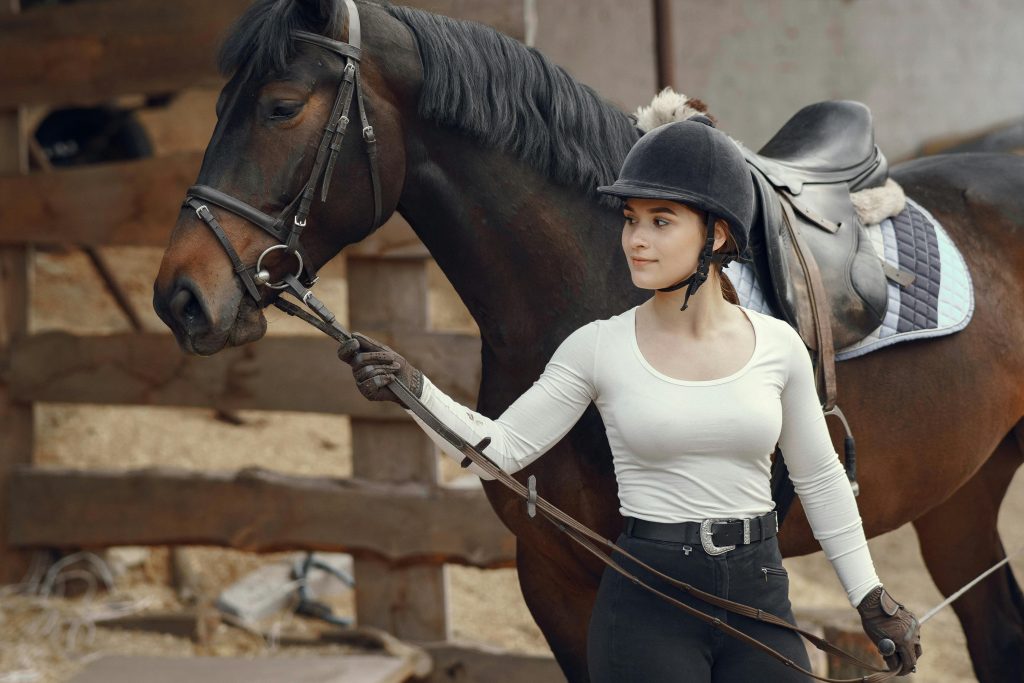
There’s a version of horse ownership that looks great on Instagram: golden hour at the barn, a clean horse, a ribbon on the stall door. Then there’s the version most of us actually live. Sunday night, back from a two-day show, boots still dirty, and a list of unanswered messages sitting in your phone. Your vet needs a follow-up on the scope results. Three parents emailed about lesson scheduling. You promised a sale horse write-up to a client last week. And somewhere in there, you also need to eat dinner.
The riding part? That’s the easy part. It’s everything else that quietly buries you.
Horse people are used to doing more with less: fewer staff, smaller budgets, longer hours than most professions would tolerate. But the administrative and communication load that comes with owning horses, running a lesson program, or managing a show string has grown steadily, and the tools most barns use to handle it haven’t kept pace. Spreadsheets, group texts, and a lot of mental overhead still run this industry.
That’s starting to change, and it doesn’t require a tech overhaul to make a real difference.
The Part of Horse Ownership Nobody Talks About
Ask any trainer what takes up the most unexpected time in their week, and very few will say riding. The hours disappear into emails, scheduling, invoices, and communication: the kind of work that requires your full attention but rarely feels like progress.
For amateur owners, it’s a different version of the same problem. You’re coordinating between your trainer, your barn manager, your vet, and your farrier, often across multiple platforms, often during a lunch break at a job that has nothing to do with horses. Something always falls through the cracks, and it’s usually the thing that needs the most careful wording.
What an AI Tool Actually Does in a Barn Context
The most useful thing an AI chat assistant does is handle the blank page problem. Most people don’t struggle to know what they want to say. They struggle to start saying it. Getting a rough draft on the page, even an imperfect one, is the hardest part of any writing task.
Using an AI Chat tool, you can describe the situation in plain language and get a usable starting point within seconds. A few places where this shows up consistently for horse people:
Sale horse descriptions. Writing a sale listing that’s honest, specific, and appealing without underselling or overselling a horse is genuinely difficult. Most listings read like a checklist. Describing what you want to highlight and letting an AI draft the first version gives you something to work from, and then you add the details only you know.
Practical Uses for Trainers and Barn Managers
For professionals running programs, the communication volume is even higher. Trainers routinely handle client questions about training progress, horse care decisions, show schedules, billing disputes, and everything in between, all while also actually training horses.
One of the more underrated uses is drafting difficult messages. If you need to tell a client that their horse isn’t ready to move up, or that there’s a barn policy that hasn’t been respected, AI can help you say it clearly without it coming out harsher than you intended. You describe the situation, note the tone you’re going for, and work from the draft it generates.
Lesson planning is another area with genuine applications. If you’re putting together a grid exercise progression for a group of riders at different levels, or trying to structure a flat work clinic, you can use an Ask AI tool to brainstorm exercises and then filter them through your own expertise and knowledge of your specific horses and riders.
Conclusion
Horse ownership has always demanded more than riding. The barn runs on coordination, communication, and paperwork that most people outside the industry never see. Tools that make that side of the job lighter aren’t taking anything away from the horsemanship. They’re protecting your time and energy for the parts that actually require you.
If you’ve been skeptical about whether AI has any place in a barn environment, the honest answer is that it’s not about the barn. It’s about the hours after you leave the barn, sitting at a desk with too much to write and too little time. That’s where it earns its place.